the kyra fund
Project Wildcat
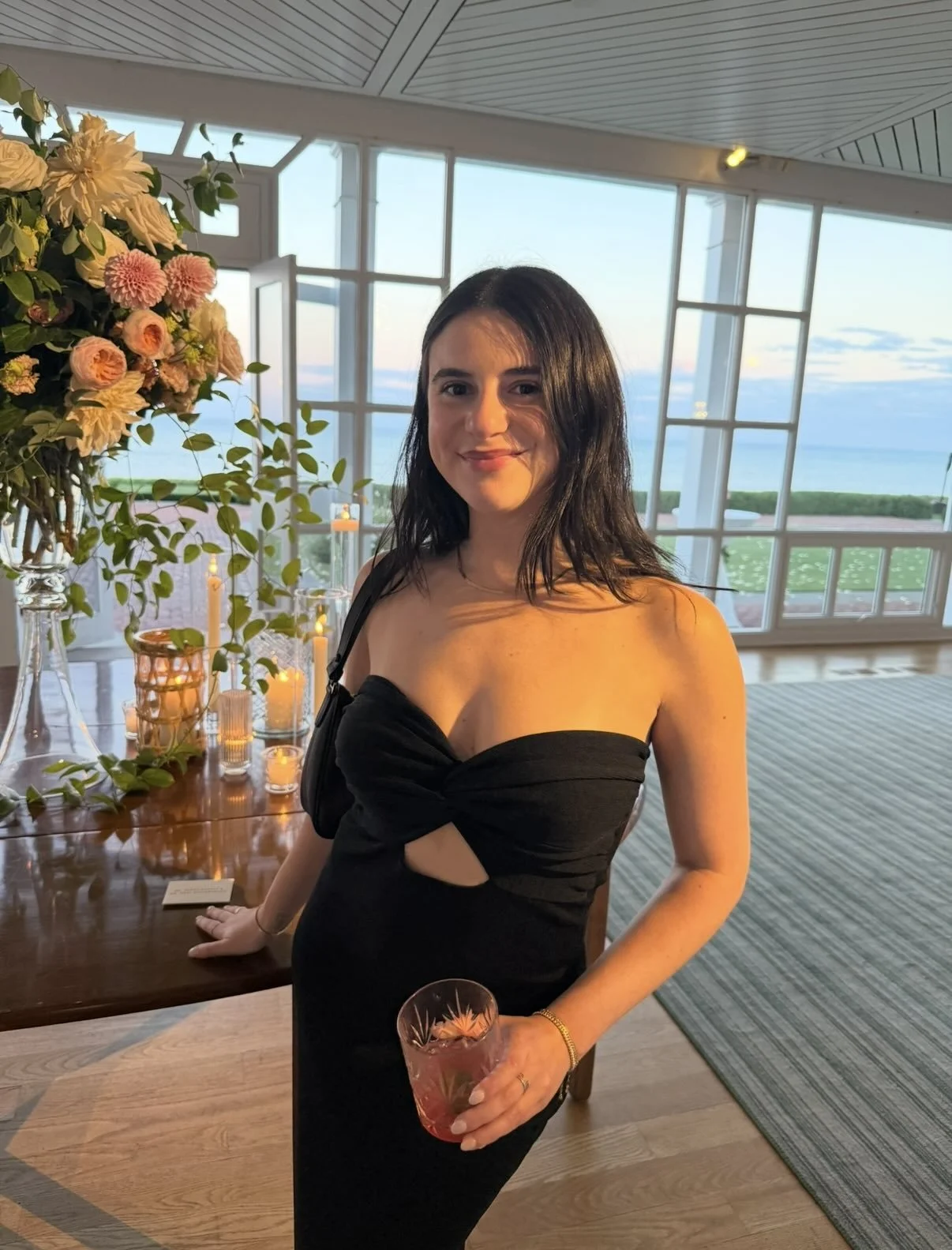
Kyra graduated from Northwestern University in 2020. While there, she made incredible friends, met her fiancé, and developed a passion for media production. Kyra was a proud Northwestern Wildcat.
This project, formally titled ‘Next generation immunotherapy in conjunction with ultrasound-mediated blood brain barrier opening in patients with newly diagnosed glioblastoma’ is taking place at the Robert H. Lurie Comprehensive Cancer Center of Northwestern University. The work is supported by the Glioblastoma Research Organization through a $100,000 grant.


About Next generation immunotherapy in conjunction with ultrasound mediated blood brain barrier opening in patients with newly diagnosed glioblastoma
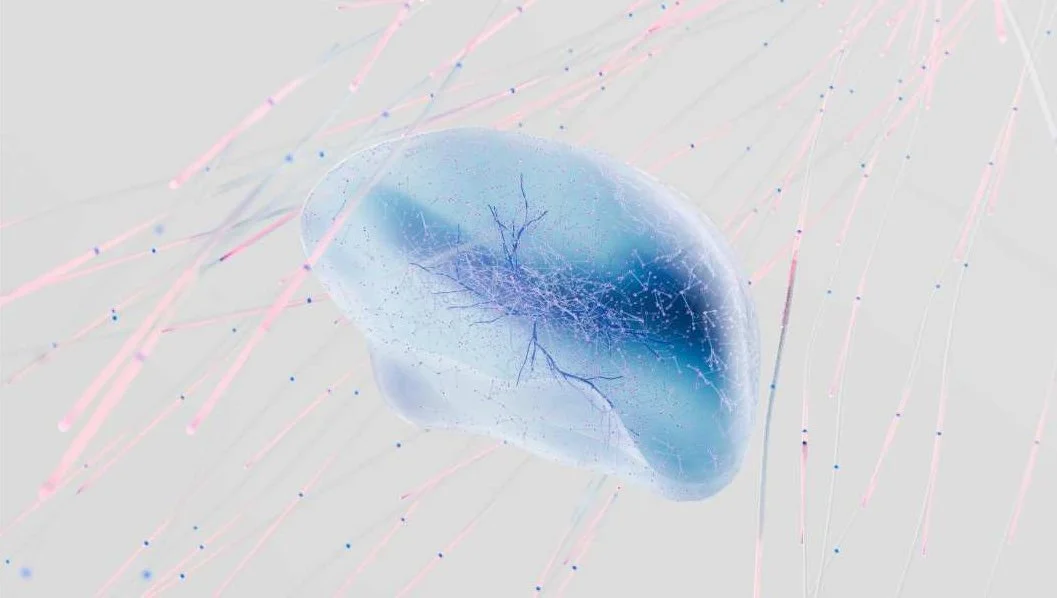
In this study we administer up to 4 different immunological antibodies or drugs in conjunction prior to surgery and after tumor resection to patients with newly diagnosed glioblastoma.
These agents often do not sufficiently penetrate into the brain because of the protective blood brain barrier. We use novel ultrasound-based technology to open the blood barrier repeatedly to allow for delivery of several fold higher drug concentration to the brain which then will activate the patient's immune system and destroy residual tumor cells.
Both the agents administered through the vein as well as the ultrasound delivered will change the tumor microenvironment and make the tumor more visible to the immune system. By delivering treatment prior to tumor resection this works in part like a vaccination, and after the surgery we can study the reaction of the patient's immune system in the tissue removed at surgery, providing deeper insights and better understanding how the immune system reacts to our treatments. This will allow to subsequently further refine the treatment regimen.

Adam Sonabend, MD
Etka Frimerman Professor of Neurosurgery Director of Neuro- Oncology Research, Dept. of Neurological Surgery
Dr. Sonabend is a brain tumor neurosurgeon/scientist who specializes in surgical neurooncology.
He is a tenured Endowed Professor of Neurosurgery, and Director of Translational Neuro-Oncology at Northwestern University Feinberg School of Medicine. He discovered predictive biomarkers for immunotherapy and chemotherapy for glioblastoma (Zhao et al., Nature Med 2019, Dmello et al., CCR 2022, Arrieta et al., Nature Cancer 2021, Arrieta et al., CCR 2024, Kim et al., Nature Comm 2026). He described the use of stem cells for the delivery of virotherapy for gliomas (Sonabend et al., Stem Cells 2008), and systems for chronic intra-cerebral drug delivery (Sonabend et al., Neurooncology 2011), concepts currently undergoing clinical testing.
He is implementing the use of implantable ultrasound devices to deliver drugs across the blood-brain barrier (BBB) as the principal investigator of first-in-human (Sonabend et al., Lancet Oncol 2023), as well as large international randomized trials investigating the use of chemotherapy, nanoparticles, as well as immunotherapy regimens combined with ultrasound-based BBB opening (Arrieta et al., Nature Comm 2024). He characterized the effects of ultrasound/microbubbles on the BBB integrity of the human brain. By doing this, he described the pharmacologic effects of this procedure, including an approx. 4 to 6 -fold concentration increase of systemically drugs and antibodies in the human brain following this procedure, the rapid (< 1 h.) restoration period of the BBB following ultrasound/microbubbles, and the ability to trap BBB-impermeable drugs/agents in the human brain by precise timing of sonication relative to drug infusion (Habashy et al., CCR 2025).
He described microglial activation and a pro-inflammatory chemotactic phenotype in the peri-vascular microglia adjacent to sonicated capillaries in the human brain parenchyma (Arrieta et al., Nature BME, in press).
Dr. Sonabend leads a translational brain tumor lab at the Malnati Brain Tumor Institute of the Robert H. Lurie Cancer Center, Northwestern University.

Roger Stupp, MD
Paul C. Bucy Professor of Neurological Surgery
Professor of Medicine (Hematology/Oncology) and Neurology, Northwestern University Feinberg School of Medicine.
Medical Director, Northwestern Medicine Lou & Jean Malnati Brain Tumor Institute.
Associate Director, Robert H. Lurie Comprehensive Cancer Center, Northwestern University, Chicago, Illinois.
Dr. Roger Stupp is an internationally recognized medical oncologist and a leading authority on primary and metastatic brain cancer.
His interest is drug development and innovative treatments and trial design. Dr. Stupp has been the lead investigator for numerous clinical trials from first-in-human phase 1 to pivotal phase registration studies including lung cancer, GI malignancies and lymphoma. Dr. Stupp and colleagues have designed and led international clinical trials ultimately allowing for FDA approval of temozolomide and of Tumor Treating Fields, an entirely novel cancer treatment modality as primary therapy of glioblastoma. The team at Northwestern with Dr. Stupp leadership continues to develop innovative cancer therapies against primary and secondary brain tumors.
In close collaboration with Dr. Adam Sonabend, a creative neurosurgeon and physician-scientist, Dr. Stupp’s current research focuses on innovative immunotherapy for primary brain tumors, and on strategies to overcome the physiologically protective blood-brain barrier, as well as the exquisitely immunosuppressive and immunologically cold microenvironment of primary brain tumors.
Roger Stupp served on the executive board of the European Organisation for Research and Treatment of Cancer (EORTC) from 2006 – 2017, from 2012 – 2017 as its president. From 1996 – 2013, Dr. Stupp was an Attending Physician and Associate Professor at the CHUV and University of Lausanne/Switzerland, and from 2013 -2017 Professor and Chairman, Department of Oncology and Cancer Center, at the University of Zurich, Switzerland. Since 2017, Dr. Stupp serves as the chief of the division of Neuro-Oncology, and Associate Director of the Lurie Comprehensive Cancer Center, and Medical Director of the Northwestern Medicine Malnati Brain Tumor Institute at Northwestern University in Chicago, Illinois.