the kyra fund
Project Lincoln
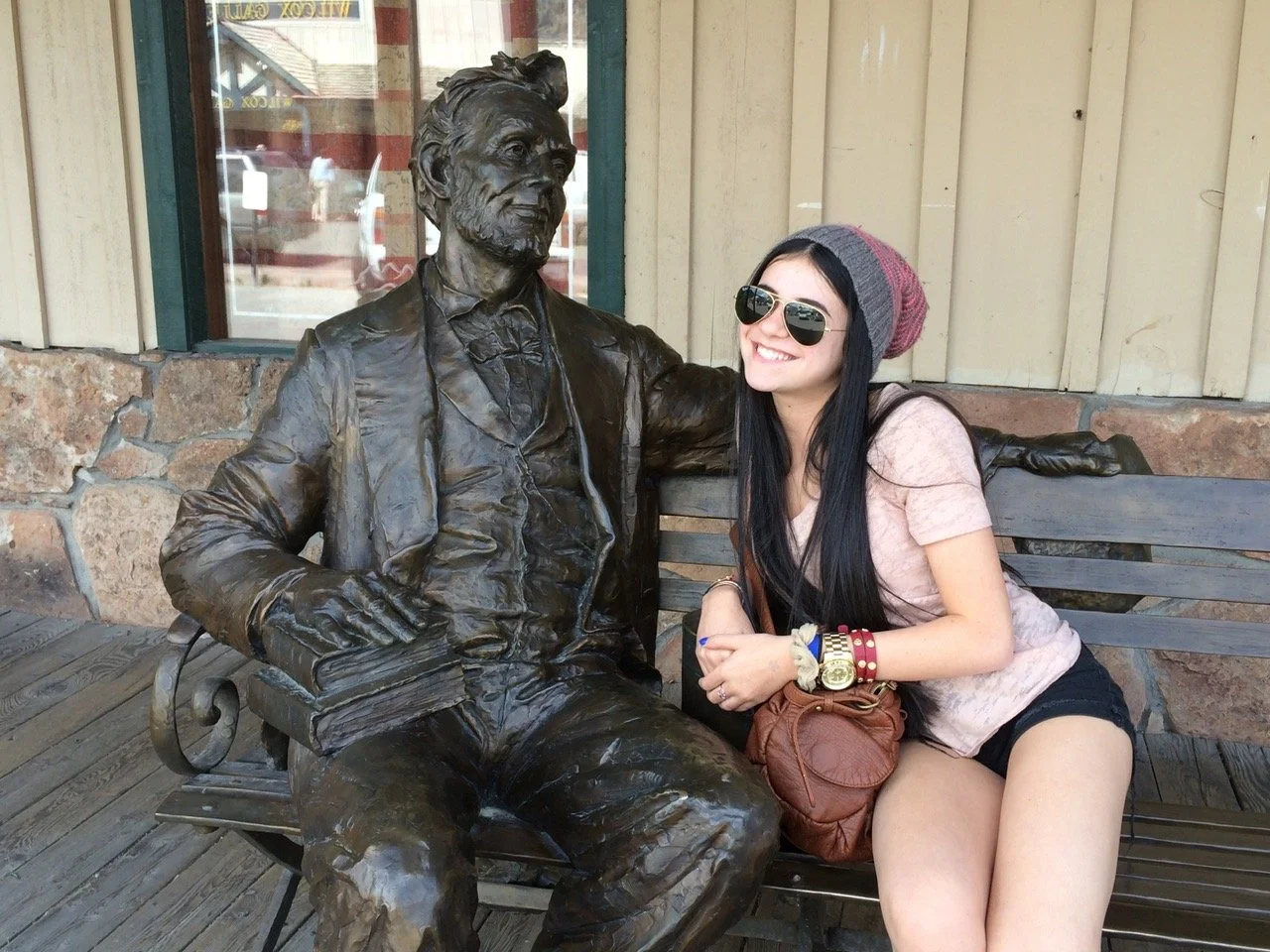
Kyra’s affinity for Abraham Lincoln started during her childhood and continued throughout her life. Kyra believed she was connected to him as a relative or former spouse. Kyra collected Lincoln memorabilia, amassing an extensive and unique collection.
This project, formally titled Unlocking the origin of glioblastoma: The primogenitor as the key to effective therapy, is taking place at the Brain Tumor Center at UCSF. The work is supported by the Glioblastoma Research Organization through a $225,000 grant.

About The Project
This exciting project challenges the current understanding of how glioblastoma progresses through standard treatment of surgery, radiation and chemotherapy. It has been assumed that tumor cells of residual disease that give rise to recurrence, resemble the dominant tumor mass removed during surgery. This assumption underlies precision oncology, where treatment decisions are frequently guided by genomic analysis of a single surgical specimen.
By leveraging the multidisciplinary expertise in the Brain Tumor Center at UCSF and the established standard operating procedures to acquire multiple tumor samples from the same patient during surgical resection, we have discovered that a low-abundance, evolutionarily ancient tumor clone (glioblastoma primogenitors) is a predecessor of the dominant mass of tumor cells at diagnosis and is able to persist through treatment resulting in tumor recurrence. This discovery radically shifts our model of GBM evolution, suggesting that recurrent glioblastoma originates from a relatively small, genetically defined cellular reservoir.
In this project, we plan to comprehensively profile these primogenitors using genomic, computational and functional experiments. Our hope is to discover both shared and patient-specific avenues for primogenitor-targeted therapies that will be robust against multimodality treatment failure. By specifically targeting primogenitors, the novel therapies developed on the foundation of this project will have the potential to eliminate all GBM cells.
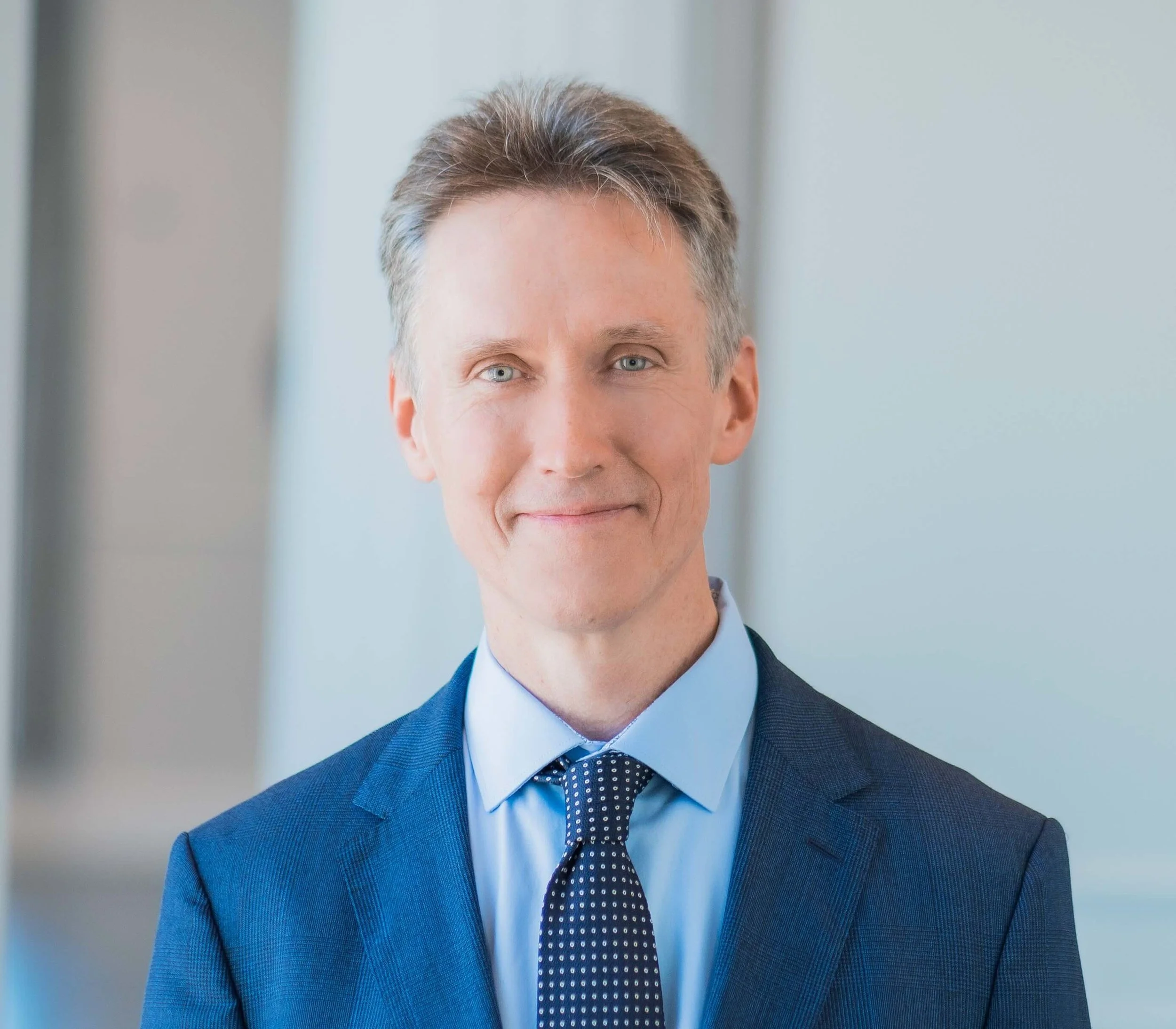
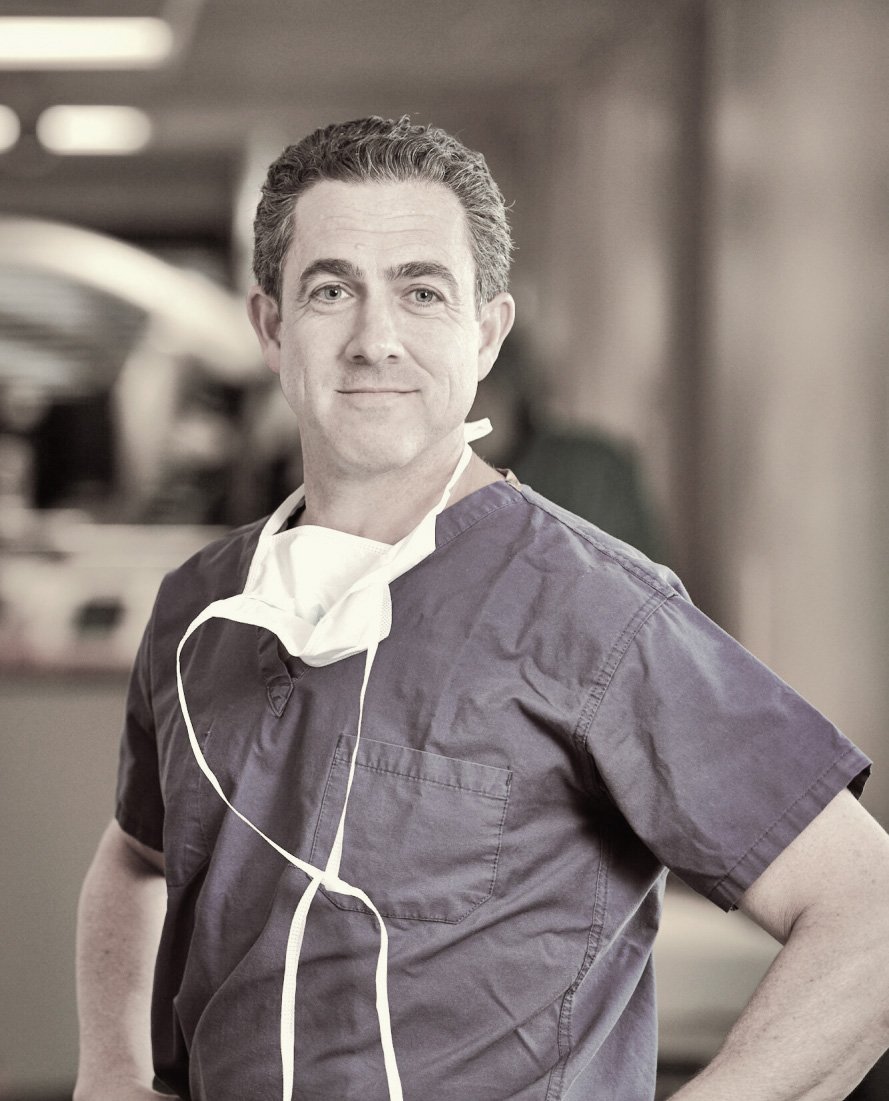
Dr. Joseph F. Costello
Dr. Costello received his PhD in Neuroscience in 1994 and completed his postdoctoral fellowship in Cancer Genetics and Epigenetics in 1999 at the Ludwig Institute for Cancer Research, San Diego, California, United States. He joined the Brain Tumor Center at UCSF in 2000 and holds the Karen Osney Brownstein Endowed Chair in Neuro-oncology.
He is a Professor in the Department of Neurological Surgery and serves as Science Director of the Brain Tumor Center at UCSF. He is also the Director of the NCI-supported Training Program in Translational Brain Tumor Research at UCSF. Dr. Costello’s research goal is to understand the full evolutionary history of human brain tumors, from immortality through intra-tumoral heterogeneity and tumor recurrence, and to ultimately translate this knowledge into effective treatments for patients.
Dr. Costello’s laboratory includes cell, molecular, and computational biologists working alongside clinician-scientists. His lab integrates a variety of genomic and epigenomic profiling methods at the bench with bioinformatic, statistical, and Artificial Intelligence tools in the dry lab.
His major contributions to cancer research include the discovery of MGMT promoter methylation in GBM cells; the tumor-type specificity of DNA methylation patterns, leading to current DNA methylation-based tumor classification; temozolomide hypermutation driving malignant progression of low grade glioma and the discovery of the pan-cancer regulator and mechanism of tumor cell immortality across 50 types of cancer with the TERT promoter mutation. His lab also pioneered 3D whole tumor sampling approach to discover tumor-wide patterns and cell-of-origin in GBM and new immunotherapeutic targets.