our projects
Evaluating Ramelteon as an Adjuvant Therapy for Glioblastoma
Glioblastoma (GBM) is an aggressive form of brain cancer for which new treatment options are urgently needed.


About Evaluating Ramelteon as an Adjuvant Therapy for Glioblastoma
The current standard of care includes surgery, radiation therapy and the chemotherapy drug temozolomide (TMZ), but the disease frequently returns after treatment.
This project is investigating whether ramelteon, an FDA-approved drug currently used to treat insomnia, could improve the effectiveness of TMZ. Ramelteon acts on the same cellular receptors as the natural hormone melatonin, and preclinical evidence suggests that activating this pathway may influence processes involved in cancer cell survival, oxidative stress and DNA repair.
Researchers at Cold Spring Harbor Laboratory and Northwell Health will test ramelteon, alone and in combination with TMZ, using three-dimensional tumor models grown directly from glioblastoma tissue donated by patients undergoing surgery. Promising treatment combinations will then be evaluated in mouse models of GBM to determine whether they can slow tumor growth, extend survival and do so without substantially increasing toxicity. The study will also examine biological markers that may help explain how ramelteon affects tumor cells and identify which tumors may be most responsive. If the combination shows sufficient activity, the findings could provide the preclinical foundation for evaluating ramelteon alongside standard therapy in a future clinical trial.
Project Investigators
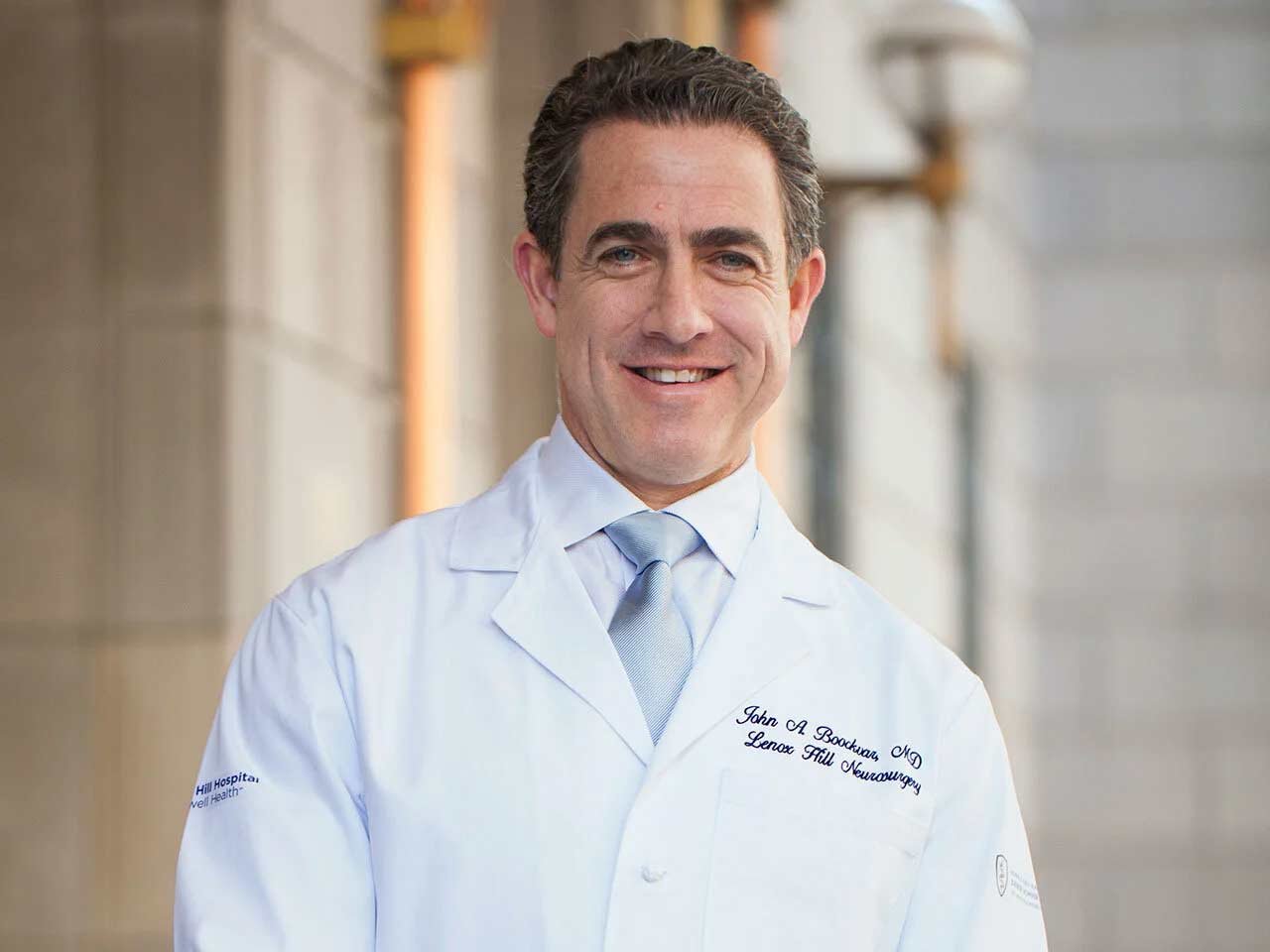
Dr. John A. Boockvar, MD
Dr. Boockvar is a professor of neurological surgery and otolaryngology/head and neck surgery at the Donald and Barbara Zucker School of Medicine at Hofstra/Northwell. He is also an investigator at the Feinstein Institutes for Medical Research, where he directs the Laboratory for Brain Tumor Biology and Therapy.

John E. Moses
John E. Moses, PhD, is the inaugural Professor of Chemistry at Cold Spring Harbor Laboratory (CSHL), where he leads the Click Chemistry Laboratory and the Chemistry for Biology program. He is also a member of CSHL’s Cancer Center. His research focuses on advancing click chemistry technologies for drug discovery, particularly the development of novel therapeutic compounds for cancer and other diseases. Dr. Moses has pioneered innovative chemical reactions and drug discovery methods, including Sulfur-Fluoride Exchange (SuFEx) and Diversity Oriented Clicking (DOC). His work has also contributed to the development of DNA-targeting anticancer compounds and shape-changing antibiotics designed to combat multidrug-resistant bacteria.