our projects
Targeting RNA to Transform Glioblastoma Treatment
With support from the Glioblastoma Research Organization, The University of Texas MD Anderson Cancer Center.

About Targeting RNA to Transform Glioblastoma Treatment
Glioblastoma (GBM) remains one of the most aggressive and deadliest forms of brain cancer, leaving patients with few effective treatment options and urgently needing new therapeutic strategies.
While most current therapies focus on targeting cancer‑related proteins, emerging discoveries at The University of Texas MD Anderson Cancer Center are opening the door to an entirely new approach: treating GBM by targeting the non‑coding ribonucleic acids (RNAs) that drive its growth.
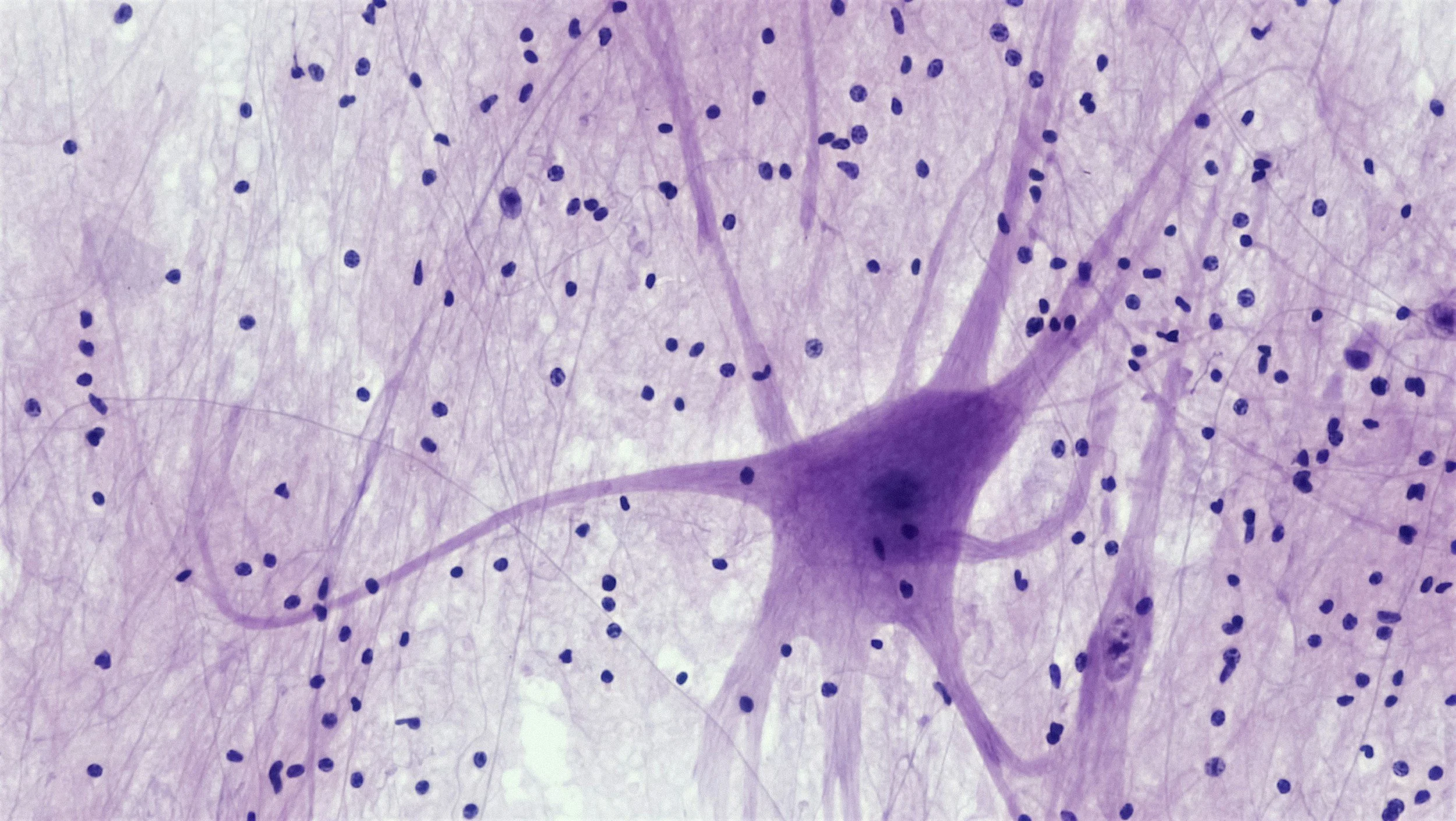
Non‑coding RNAs do not translate into proteins; yet, they play essential regulatory roles that can drive cancer progression. Among RNAs, miR‑10b has emerged as a critical promoter of GBM cell survival and an ideal therapeutic target.

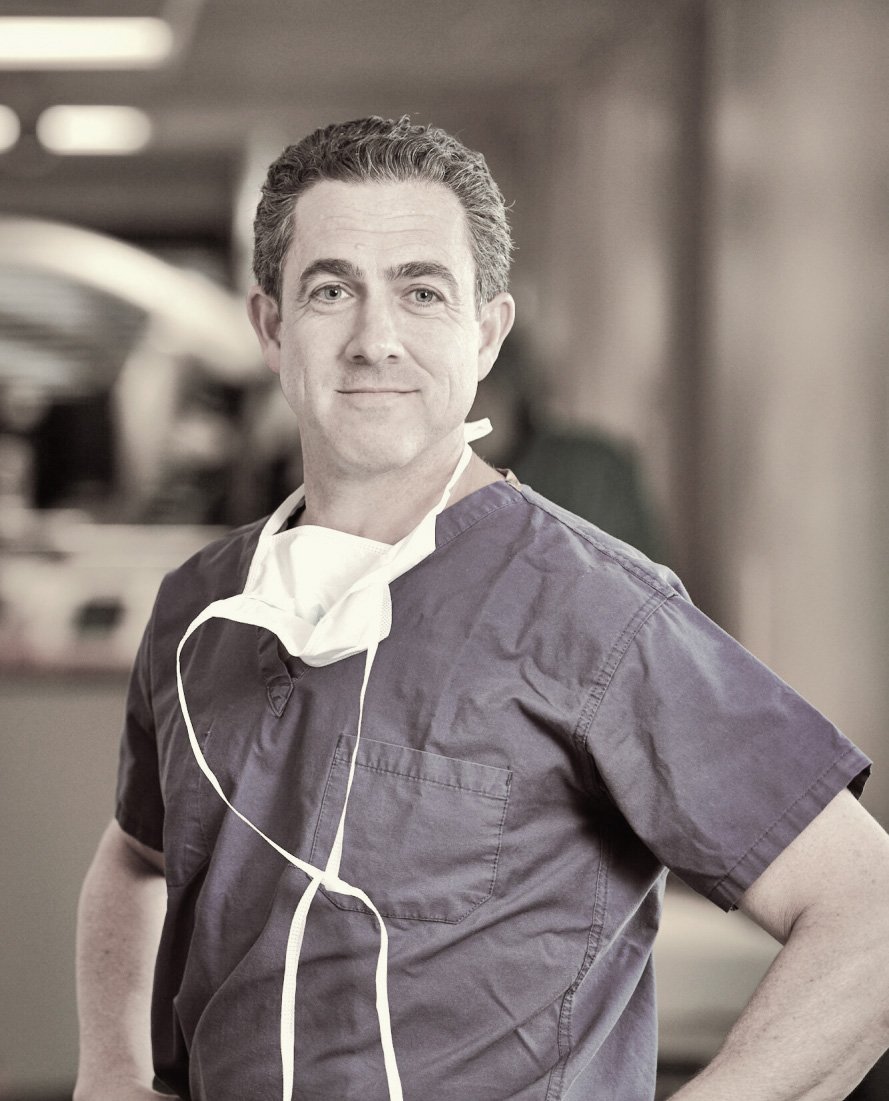
A breakthrough made by George Calin, M.D., Ph.D., professor of Cancer Biology and Translational Molecular Pathology, and his team at MD Anderson, led to the identification of an existing compound known as linifanib that successfully suppresses miR‑10b.
Building upon this foundation, they have now developed, in collaboration with colleagues from MD Anderson’s Institute for Applied Cancer Science, a new library of small‑molecule inhibitors designed to block miR‑10b’s cancer‑promoting activity.
One of these next-generation compounds is showing remarkable potency in models derived directly from patient tumors. Early results demonstrate strong tumor‑killing activity with promising specificity, an exciting signal that this strategy may deliver a safer, more precise way to treat GBM.
About The Researcher
Dr. Calin is a pioneering cancer researcher whose discoveries helped establish microRNAs as key drivers of cancer. With more than 600 publications and major contributions to RNA-based therapies, biomarkers and cancer genetics, he leads an influential research program at MD Anderson and has trained more than 180 scientists, shaping the next generation of innovation- based therapies, biomarkers and cancer genetics.
Supported by the Glioblastoma Research Organization, the project is now advancing into a critical stage that will determine how these inhibitors bind to miR‑10b, evaluate safety and toxicity, and test their ability to reduce tumor burden in both laboratory and animal models.
Our organization’s support is bringing this work one step closer to the research team’s ultimate goal: to advance an RNA‑targeting therapy into clinical trials for glioblastoma patients. If successful, this first-in-class therapy could offer a powerful new treatment path for a disease that urgently needs better options.
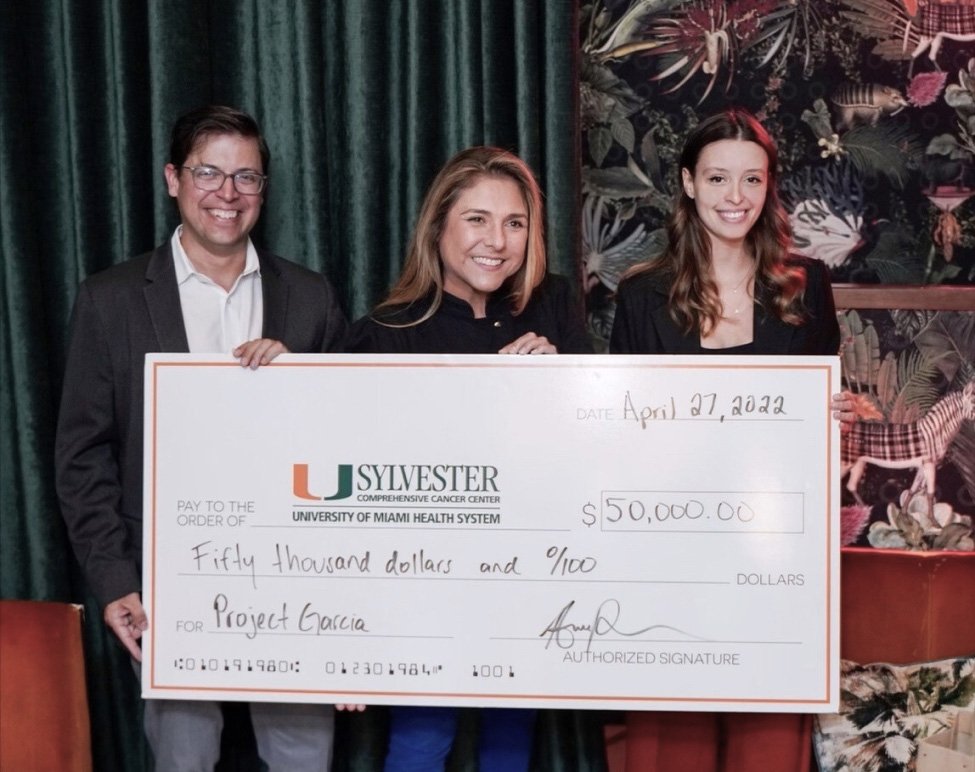
This project was made possible thanks to the Cocktails for a Cure fundraiser led by the Ryan Family.