our projects
Sex-Specific Microglial Regulation of Immune Responses in Glioblastoma
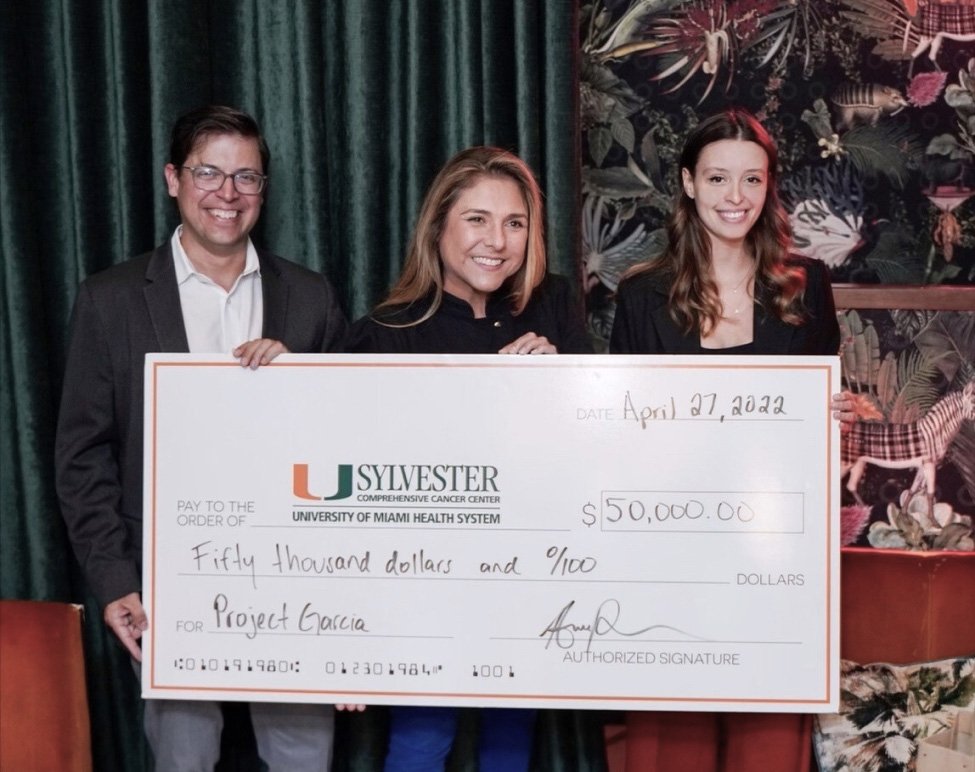
The Glioblastoma Research Organization launches it's 17th fully funded glioblastoma research project with a $50,000 grant to Cleveland Clinic.

About Sex-Specific Microglial Regulation of Immune Responses in Glioblastoma
This research led by Justin Lathia, PhD, examines why glioblastoma (GBM) outcomes differ between men and women by focusing on the immune system’s role in GBM.
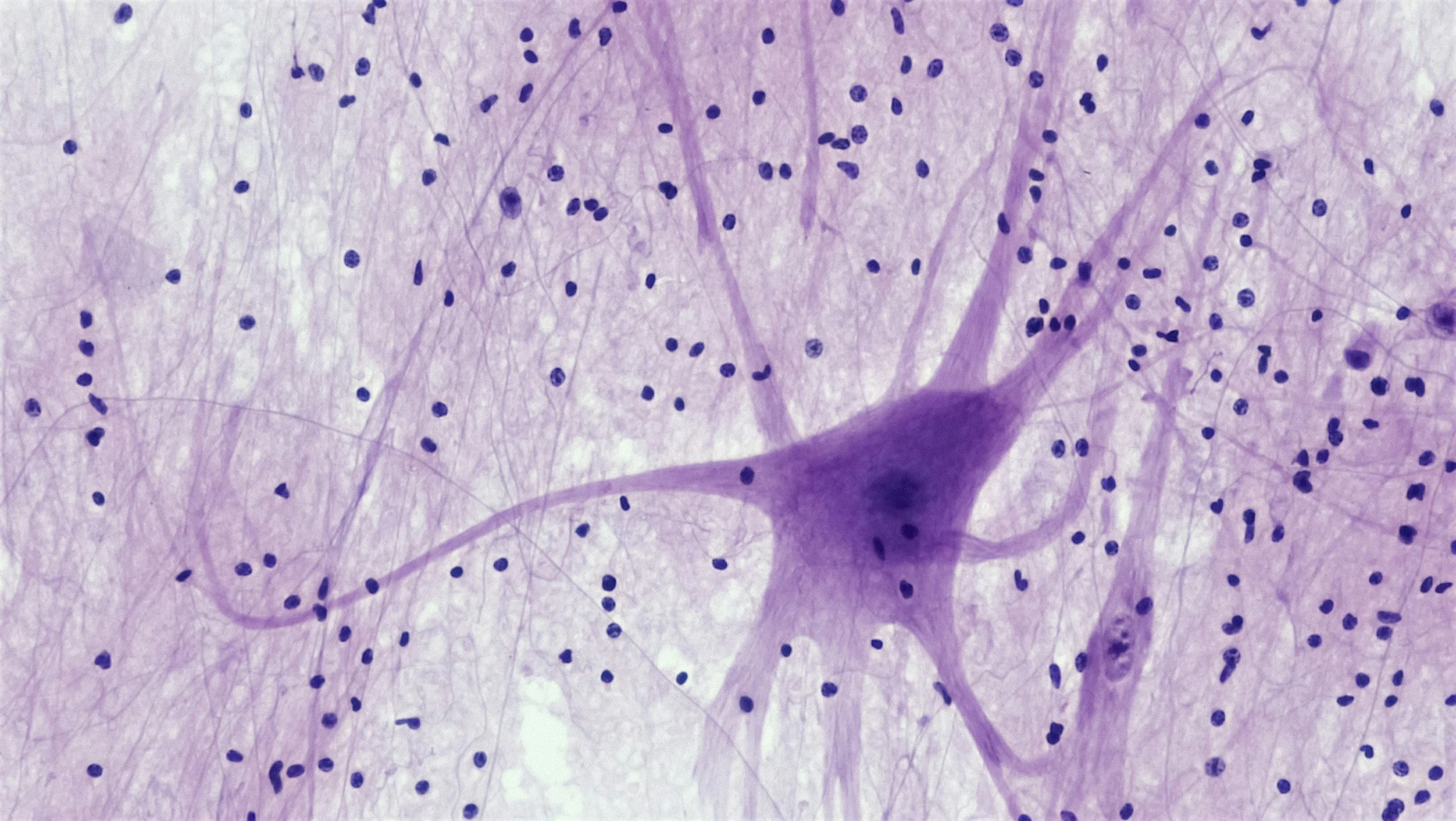
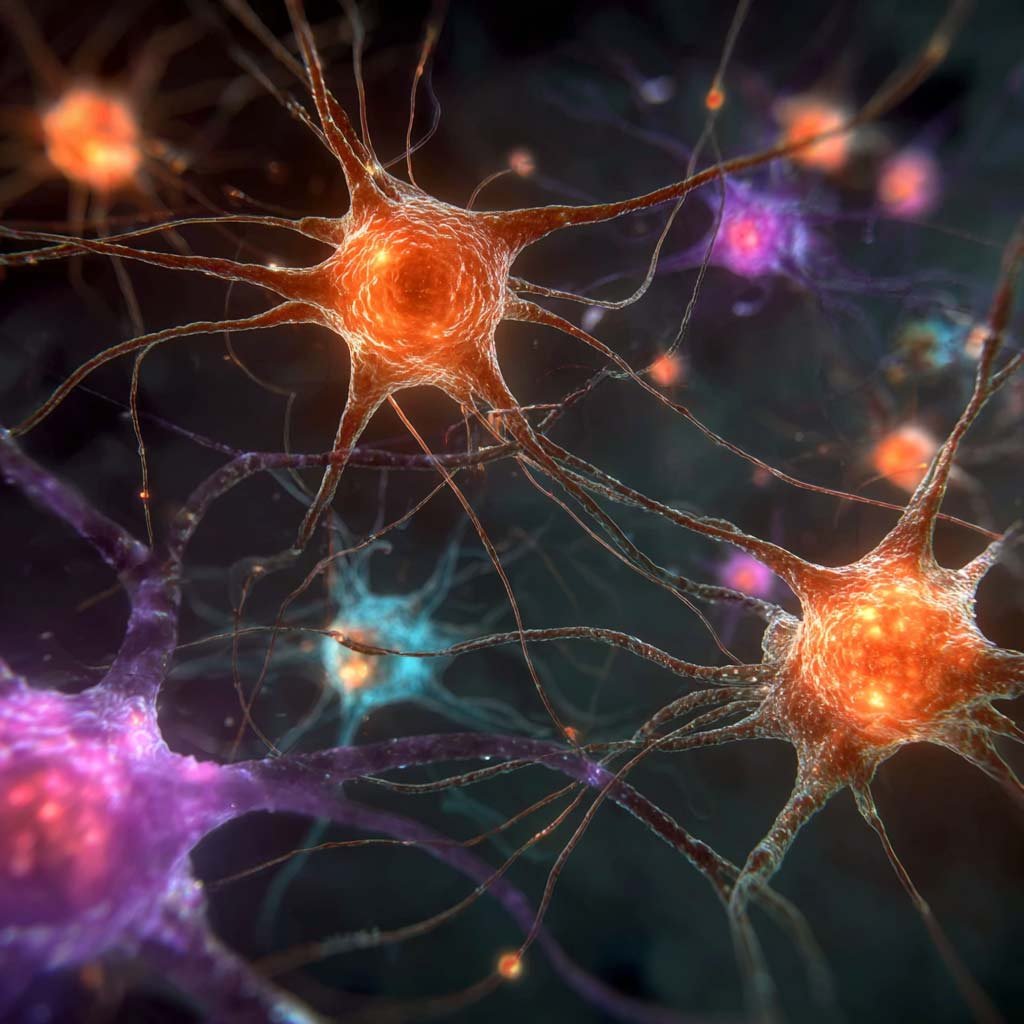
The work centers on microglia—immune cells in the brain that can either help fight tumors or, in some cases, support their growth. Early findings from Dr. Lathia’s lab suggest that microglia from females are more effective at attacking tumor cells, which may help explain why women tend to live longer with the disease.
To better understand the differences, Dr. Lathia and his lab will study how microglia influence tumor growth in both males and females. They will look at what happens when the cells are present versus removed, and how microglia from each sex interact directly with tumor cells. The team will also explore how microglia shape the broader immune response in the brain. In parallel, they will investigate the role of sex hormones such as estrogen and testosterone in influencing microglia activity, including whether hormones like estrogen make the cells more effective at fighting tumors.
Overall, Dr. Lathia’s research aims to explain the biological reasons behind sex-based differences in GBM outcomes. By uncovering how immune responses vary between men and women, this work could lead to more personalized, sex-specific treatment approaches that improve outcomes for all patients.
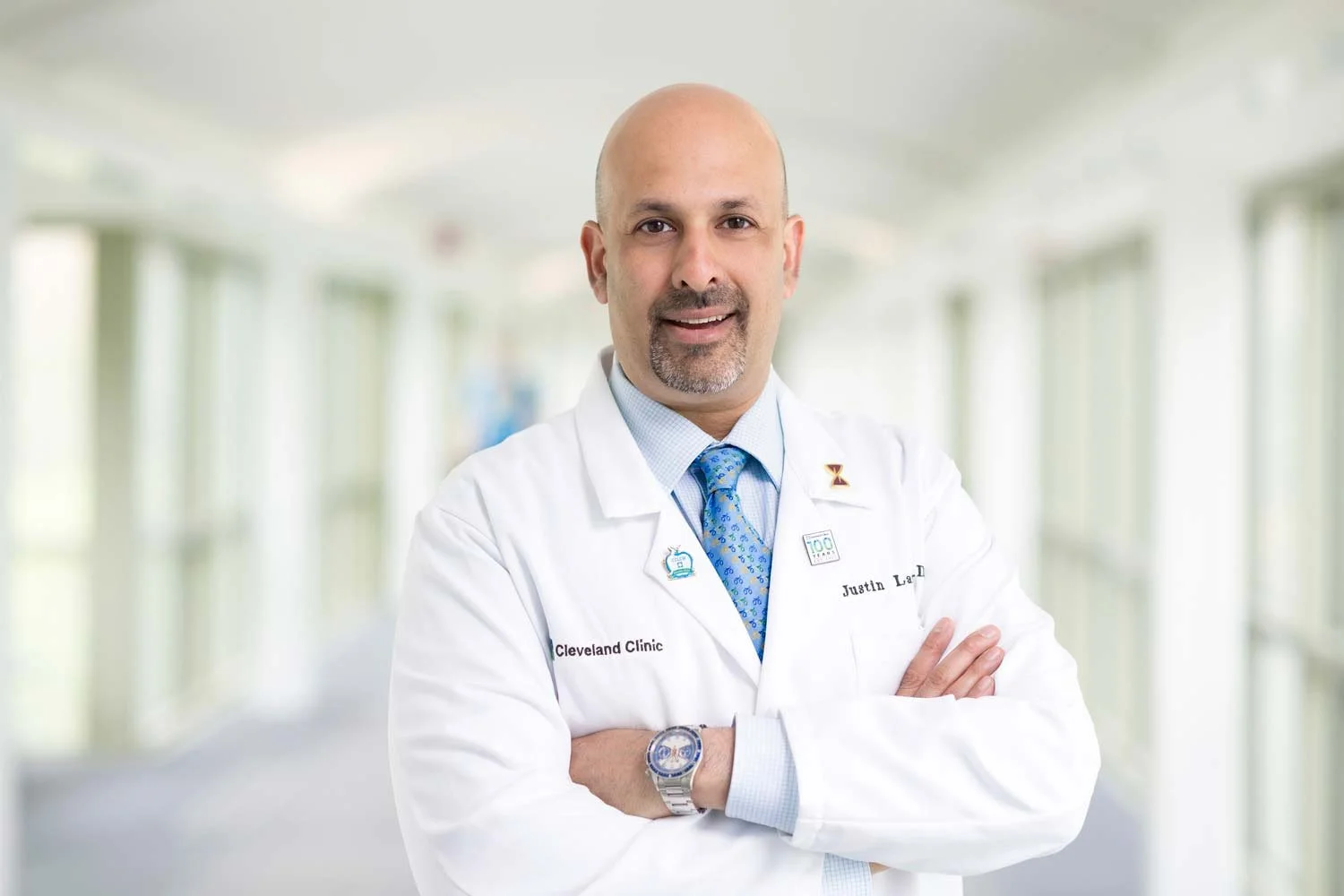
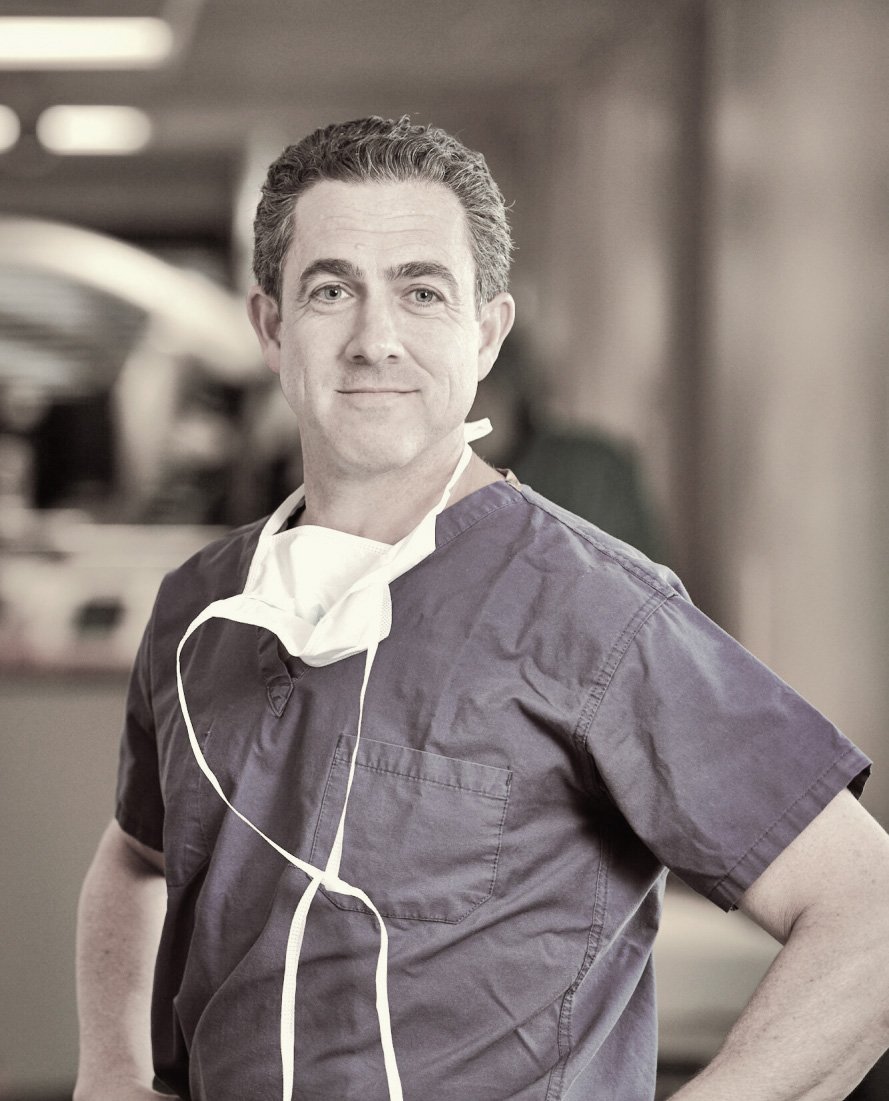
Dr. Justin Lathia is Staff and Professor and Director of Neuro-Oncology Research in the Department of Cancer Sciences at Cleveland Clinic Research, Director of Faculty Development, Scientific Director of the Rose Ella Burkhardt Brain Tumor & Neuro-Oncology Center, the Melvin Burkhardt Endowed Chair in Neuro-Oncology Research, and Co-Leader of the Molecular Oncology Program at the Case Comprehensive Cancer Center.
Dr. Lathia earned his B.S. and M.S. from Drexel University before completing his Ph.D. through the NIH-Cambridge Graduate Partnership Program, where he studied cell adhesion molecules in nervous system development. Following postdoctoral fellowships at Duke and Cleveland Clinic focused on cancer stem cells in brain tumors, he established his independent laboratory in 2012 to investigate how stem cell states are regulated in advanced cancers, particularly glioblastoma. His research explores interactions between cancer stem cells and their microenvironment to identify therapeutic targets, leading to a Phase 1 clinical trial targeting immune-suppressive myeloid-derived suppressor cells in glioblastoma. Dr. Lathia has co-authored more than 300 publications, receives extensive NIH and foundation support, and serves on multiple editorial boards and grant review panels.